Himalayan Pink Salt vs Table Salt: What's the Real Difference?
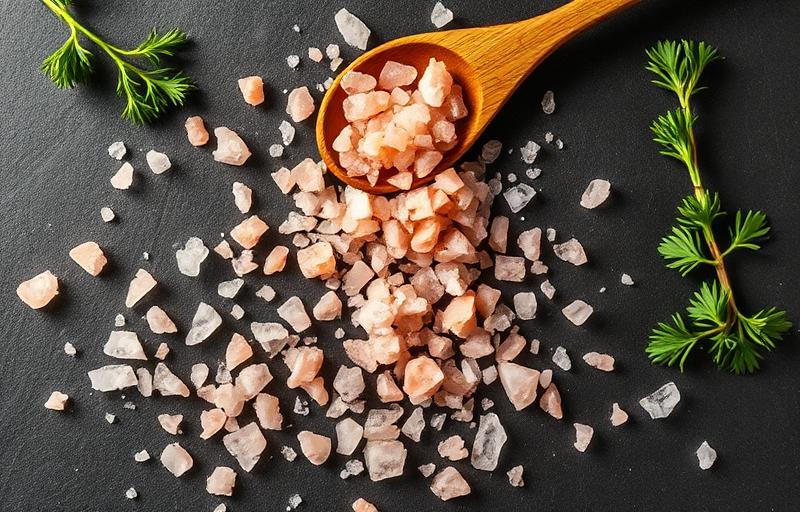
Salt is one of the most fundamental ingredients in any kitchen, yet not all salts are created equal. The growing popularity of Himalayan pink salt has sparked curiosity about what truly sets it apart from regular table salt.
Himalayan pink salt is mined from ancient sea salt deposits in the Khewra Salt Mine in Pakistan, near the foothills of the Himalayas. These deposits are estimated to be over 250 million years old, formed during a time when the region was covered by a primordial ocean.
The distinctive pink colour comes from trace minerals — primarily iron oxide — along with up to 84 other minerals including calcium, magnesium, and potassium. While the mineral quantities are small, they contribute to a more complex, rounded flavour profile.
Table salt, by contrast, is heavily processed. It's typically mined from underground deposits, then refined to remove minerals and impurities. Anti-caking agents are added to prevent clumping, and iodine is often fortified in. The result is pure sodium chloride — effective, but one-dimensional in flavour.
In terms of taste, many chefs describe Himalayan pink salt as having a 'cleaner', less harsh saltiness. It enhances food without the sharp bite that processed table salt can deliver. This makes it ideal for finishing dishes, where the salt's character can truly shine.
For everyday cooking at Norva Foods, we recommend Himalayan pink salt as your go-to — alongside our black and white Himalayan salts for dishes that need a different character. Clean flavour, natural minerals, and consistency in every meal: crafted for everyday kitchens.