Is Pink Himalayan Salt Good for You? A UK Guide
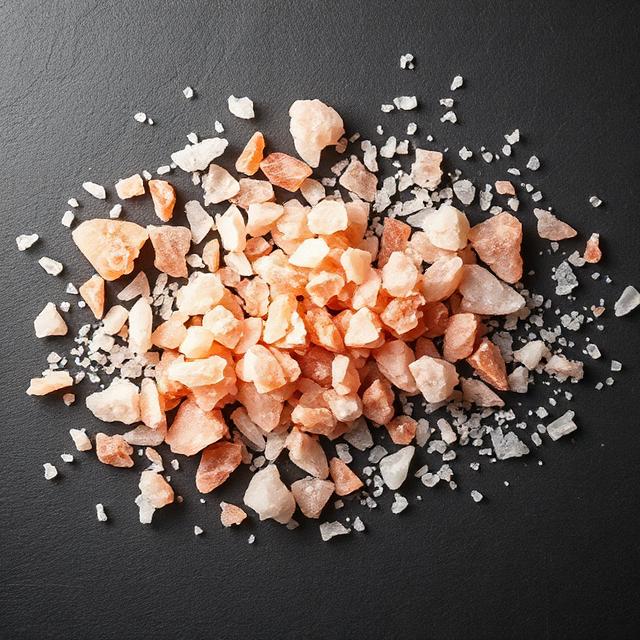
Pink Himalayan salt has earned a place on UK kitchen shelves over the last decade — but is it genuinely good for you, or is the hype overdone? Here's an honest look at the evidence, written for UK home cooks.
First, the basics. Himalayan pink salt is mined from the Khewra Salt Mine in Pakistan, near the foothills of the Himalayas. It's around 98% sodium chloride, the same as standard table salt. The remaining 2% is a blend of more than 80 trace minerals — iron, calcium, magnesium and potassium being the most prominent — and these are what give the salt its rose-pink hue.
From a strict nutrition standpoint, the mineral quantities are too small to materially change your daily intake. You'd need to eat dangerous amounts of salt to get a meaningful magnesium dose. So claims that Himalayan salt is a 'mineral supplement' are overstated.
Where pink Himalayan salt does shine is what it leaves out. Most UK supermarket table salt is heavily refined and contains added anti-caking agents (often calcium silicate or sodium aluminosilicate). Some brands also fortify with iodine. Himalayan pink salt is unrefined: no anti-caking agents, no bleaching, no additives.
Flavour is where the real difference lives. Chefs consistently describe pink Himalayan salt as 'cleaner' — less harsh on the palate than refined table salt. That means many home cooks naturally use a little less, which is a small but genuine health win given that the average UK adult eats around 8.4g of salt a day, above the NHS 6g limit.
There is one trade-off to be aware of. Because Himalayan salt isn't iodised, people who avoid dairy, fish and eggs may want to check their iodine intake elsewhere. The British Dietetic Association notes that iodine deficiency is a growing concern in the UK, particularly for vegans.
Our verdict at Norva Foods: pink Himalayan salt is a sensible everyday upgrade for most UK households. It's not a superfood, but it is an unrefined alternative to typical table salt, with a flavour that earns its place in your kitchen. Keep an eye on total daily intake, and consider an iodine source if you've cut out dairy and fish.